
Teacher commitment is not created by announcing a new initiative. It grows when educators understand the purpose, see how change supports their work, have meaningful input, and receive practical implementation support.
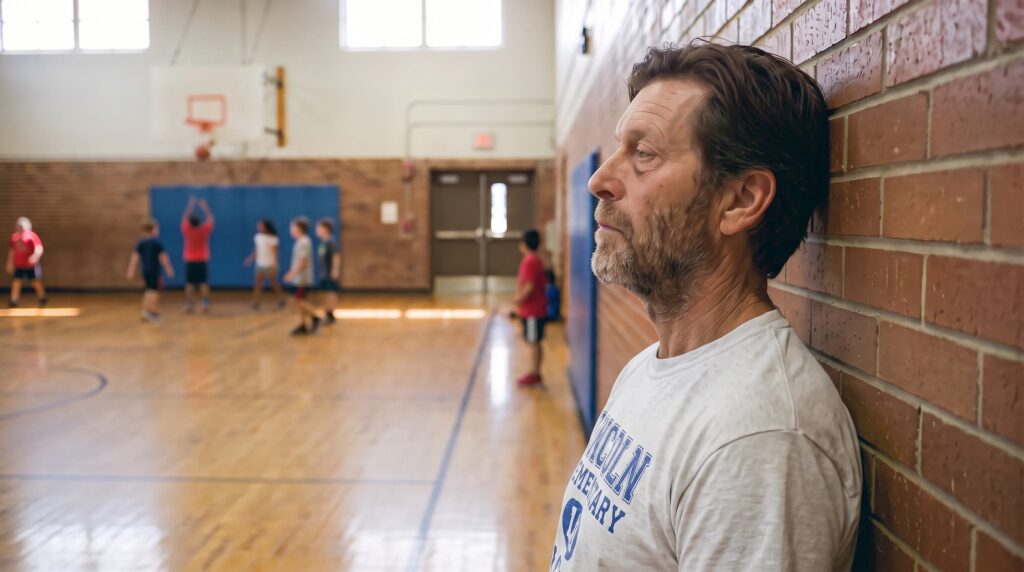
Even well-designed curriculum changes can fail when implementation asks too much, too quickly. Effective leaders sequence expectations, clarify priorities, and provide practical support so teachers can adopt new practices without unnecessary overload.

Leading PE across multiple schools is a systems challenge. District leaders must create enough structure to protect quality while recognizing that staffing, facilities, schedules, and instructional conditions vary from building to building.

Building District Support for Long-Term PE Success Why Sustainable Programs Are Built Through Alignment, Not Advocacy Pocket PE Leadership Series Executive Summary Many elementary physical education initiatives begin with enthusiasm. A curriculum is adopted, teachers participate in professional learning, and schools begin implementation with clear expectations. Yet several years later, district leaders often find that […]

Curriculum leaders do not need dozens of metrics to understand program health. Five focused questions can reveal where expectations, implementation, teacher support, student access, and evidence are aligned—or need attention.

Strong PE programs are built over years, not semesters. A multi-year vision helps district leaders connect curriculum, staffing, professional learning, measurement, and investment so improvement continues beyond any single initiative.

Inconsistent PE creates costs that rarely appear on a budget line. Uneven instruction can increase planning burden, complicate oversight, weaken equity, and make it harder for districts to know whether programs work.

Consistency does not mean making every school identical. It means ensuring every student receives a reliable standard of quality while giving educators room to adapt instruction to their students, spaces, and schedules.

Most PE programs do not fail because educators stop caring. They break down when expectations, resources, training, or accountability become uneven. District leaders can identify these pressure points before inconsistency becomes entrenched.

PE outcomes reach far beyond the gym. When districts build strong, consistent systems for physical education, they improve equity, resource stewardship, educator support, organizational resilience, and the quality of leadership decisions.