How to Teach Fitness Concepts in PE (Without Making It Boring) — Pocket PE Makes It Active, Meaningful, and Fun
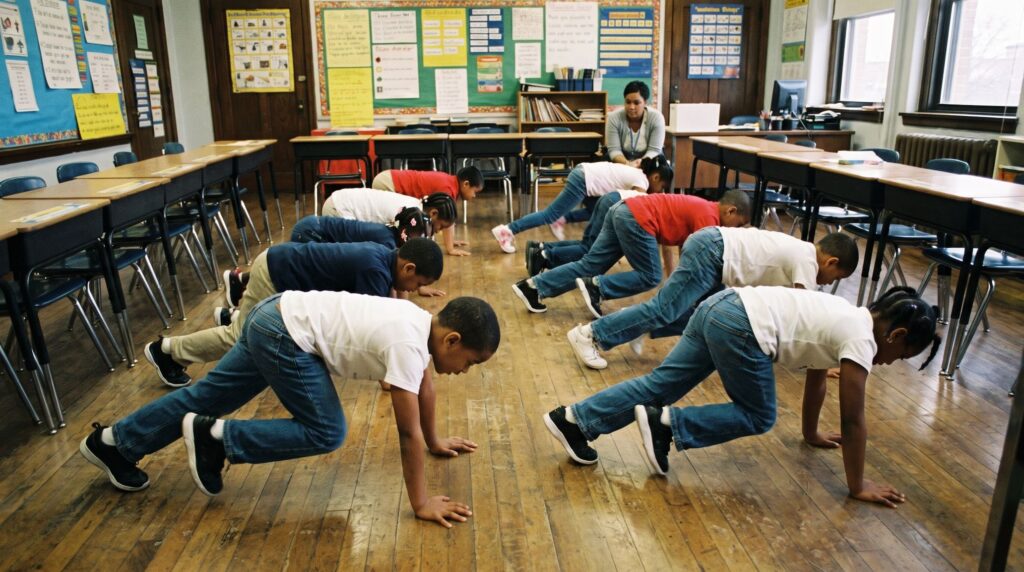
Fitness education should be experiential, not lecture‑based. These strategies help students understand their bodies through movement.

Fitness education should be experiential, not lecture‑based. These strategies help students understand their bodies through movement.
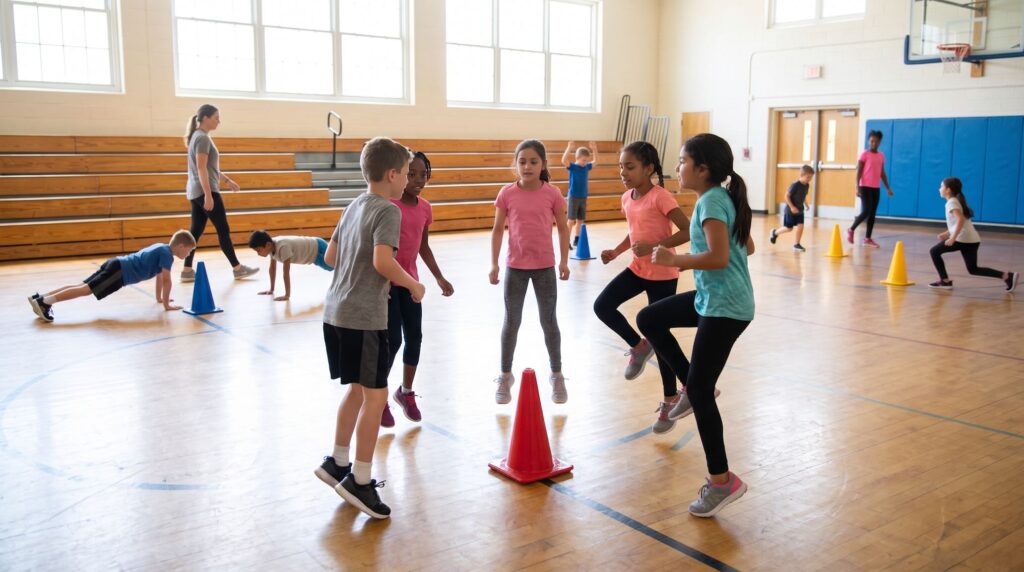
Fitness circuits build endurance, strength, and confidence — and they work in any space.
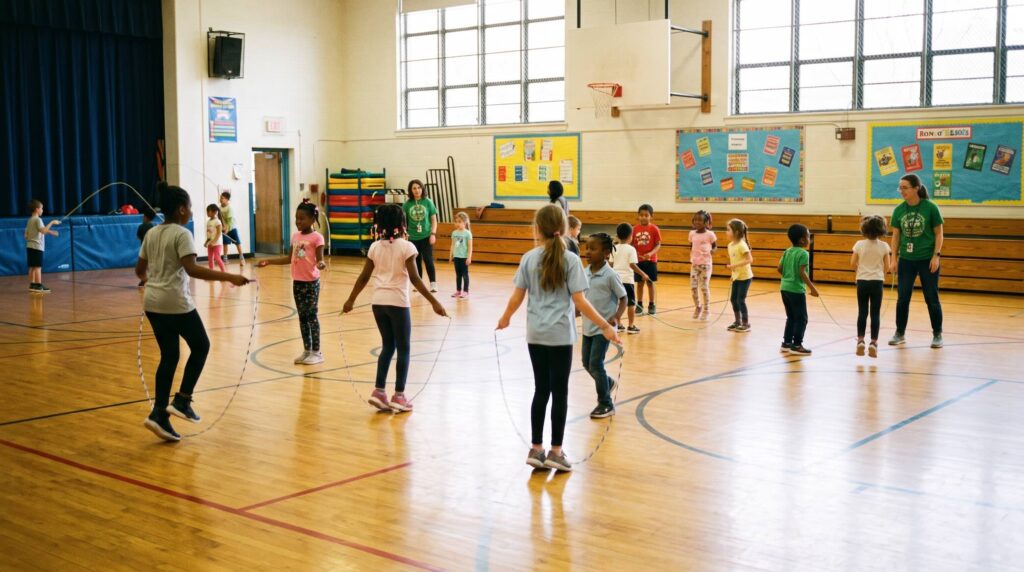
Mixed‑grade PE can be challenging — but also incredibly rewarding. These strategies help teachers differentiate with confidence.
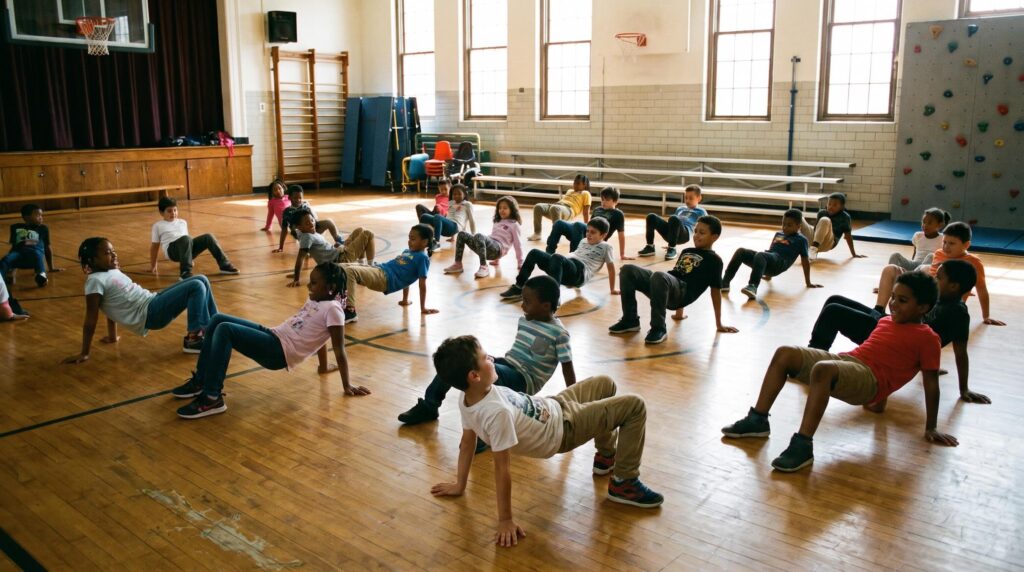
Monthly planning brings structure without rigidity. This roadmap helps teachers stay organized and intentional.
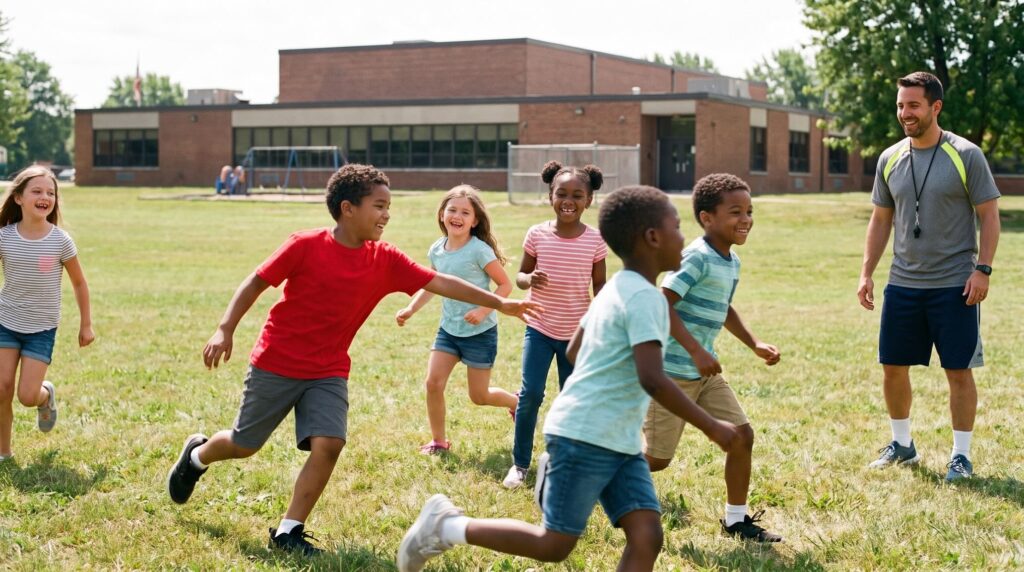
A clear scope and sequence strengthens curriculum, instruction, and student outcomes. This guide supports K–5 alignment.
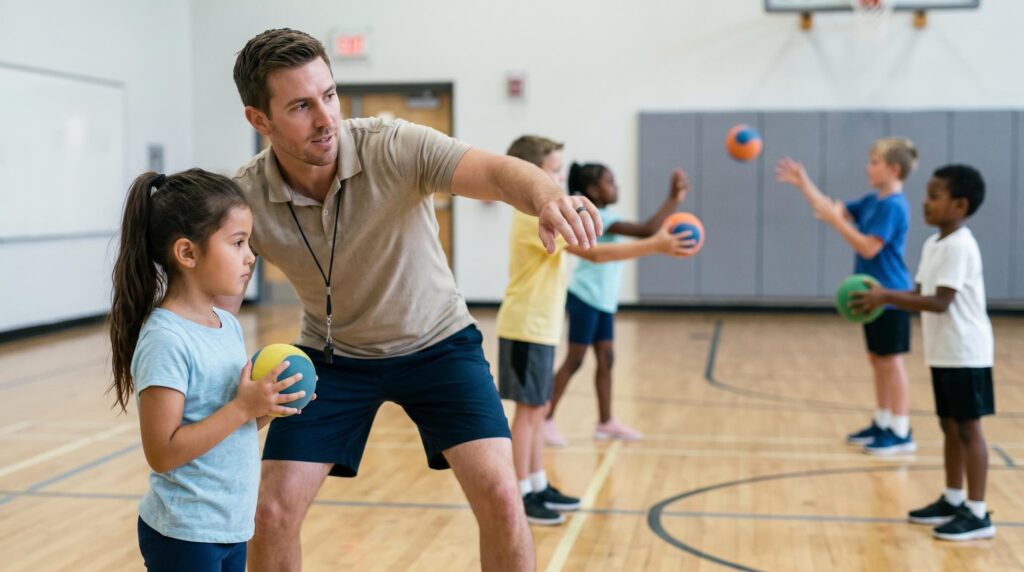
Back‑to‑back classes and limited prep time are realities in PE. These strategies help teachers stay effective under pressure.
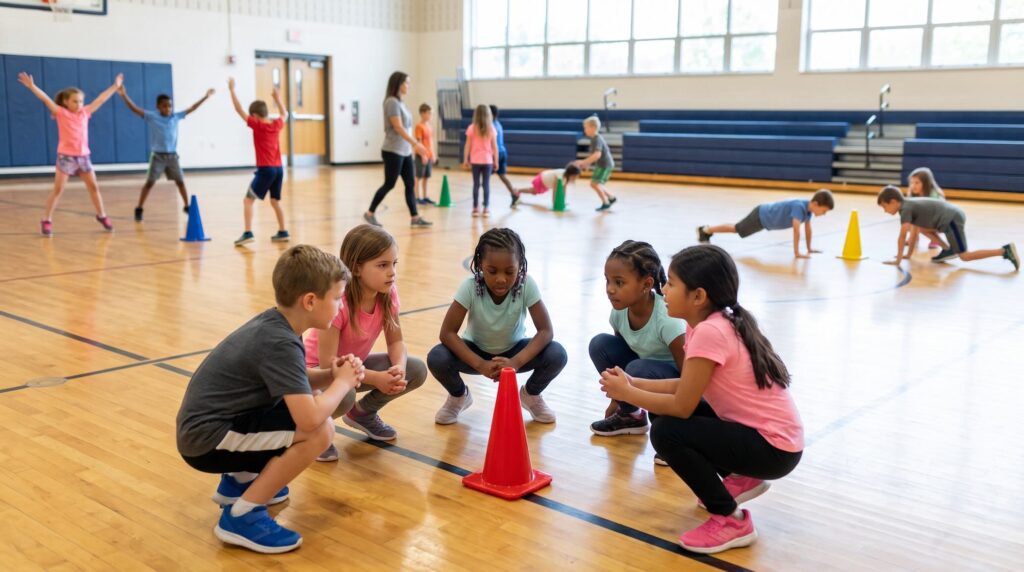
Planning shouldn’t be overwhelming. These templates help teachers streamline instruction and stay aligned all year.
A strong pacing guide ensures equity, consistency, and standards alignment across a PE program. This framework makes it achievable.
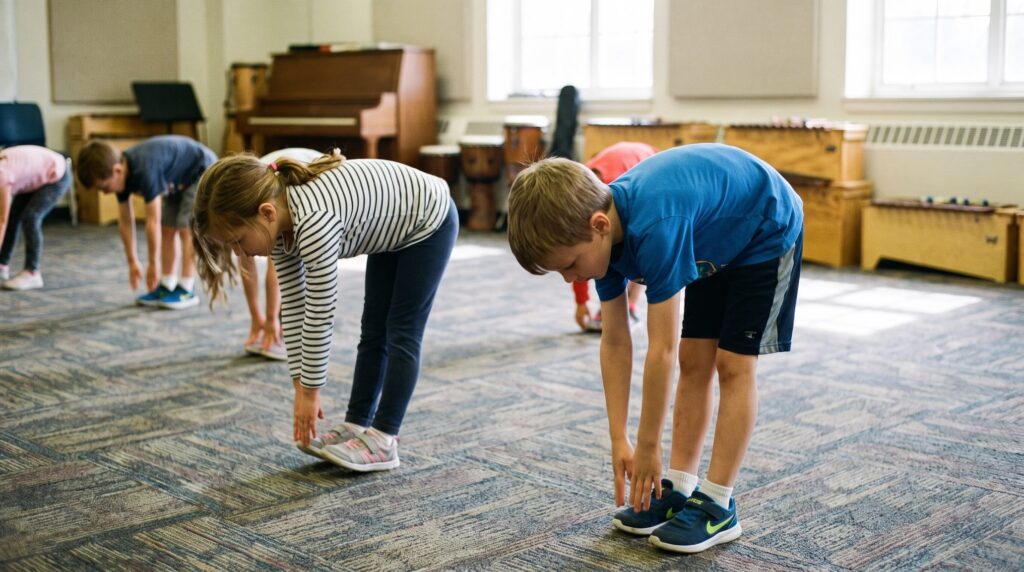
Small‑space PE requires thoughtful planning. These safety‑first strategies help teachers deliver high‑quality instruction anywhere.
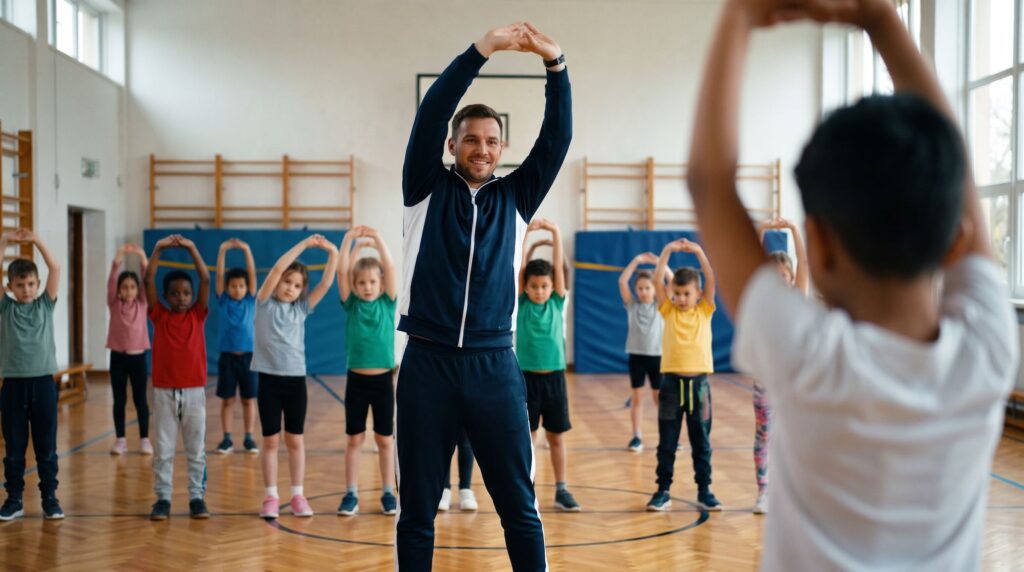
Behavior improves when expectations are clear and movement is structured. These proactive strategies make a measurable difference.