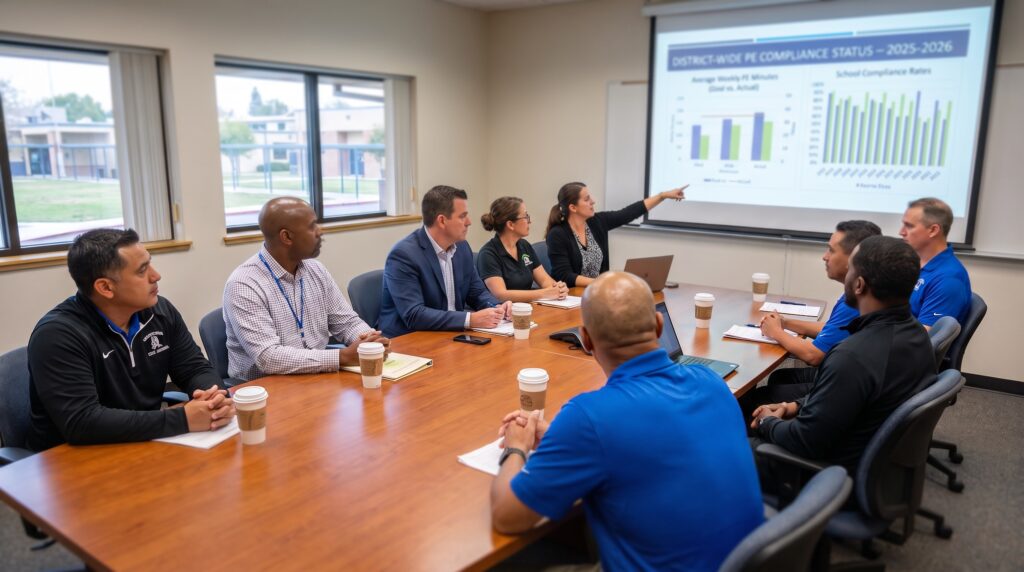
High-quality PE is not built on great teachers alone. The strongest district programs pair clear expectations, supported educators, consistent implementation, and continuous evaluation. These seven characteristics show leaders what to look for.
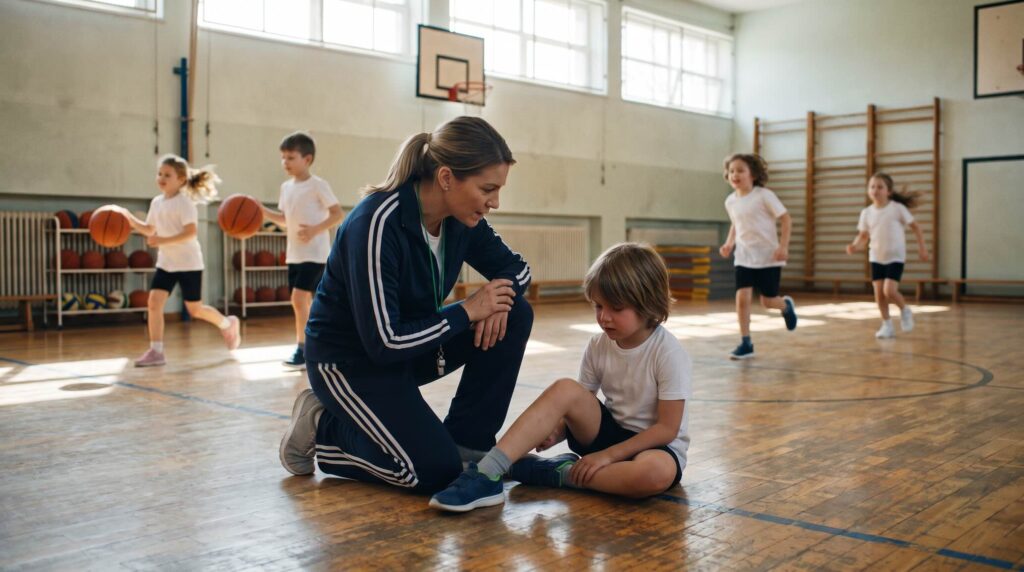
Your district may be delivering PE in every elementary school—but are students receiving the same quality experience? A structured self-assessment can reveal hidden gaps in consistency, support, equity, and implementation.
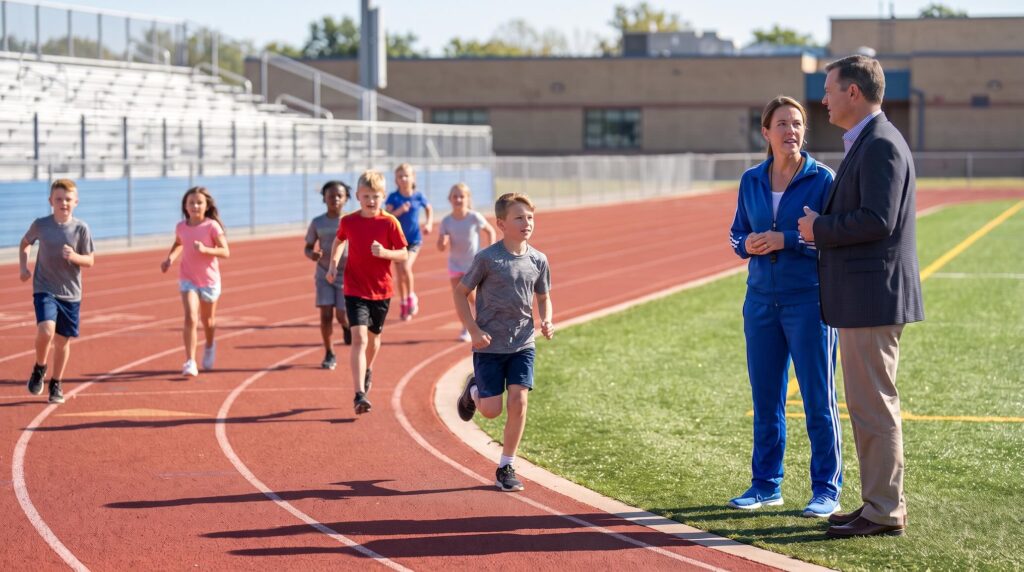
Elementary PE is often treated as a classroom-level responsibility, but its strongest outcomes depend on district-level decisions. Leadership shapes the conditions that determine whether quality, consistency, and support can endure.
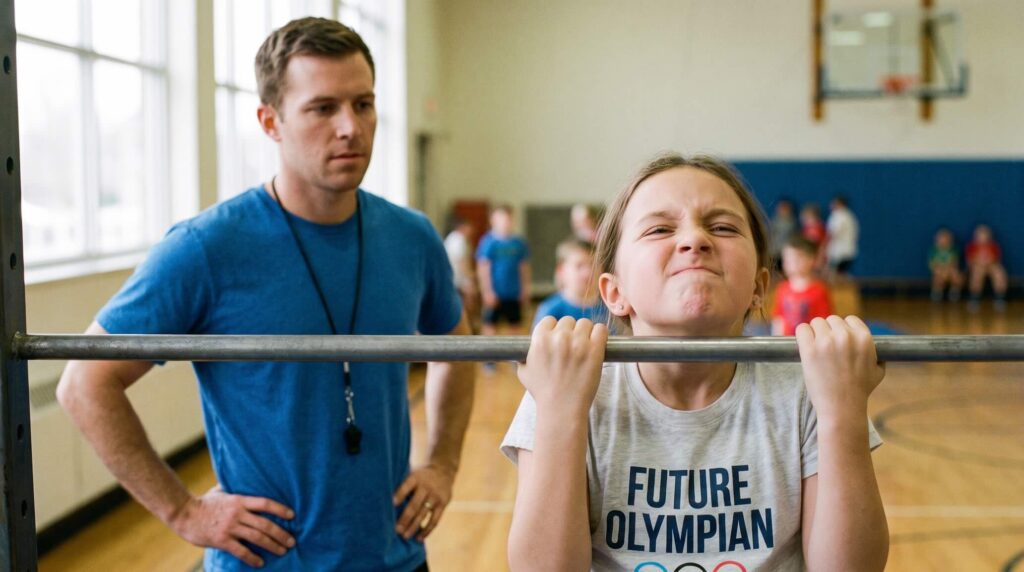
Confidence grows through movement. These practices help students feel capable, courageous, and ready to try.
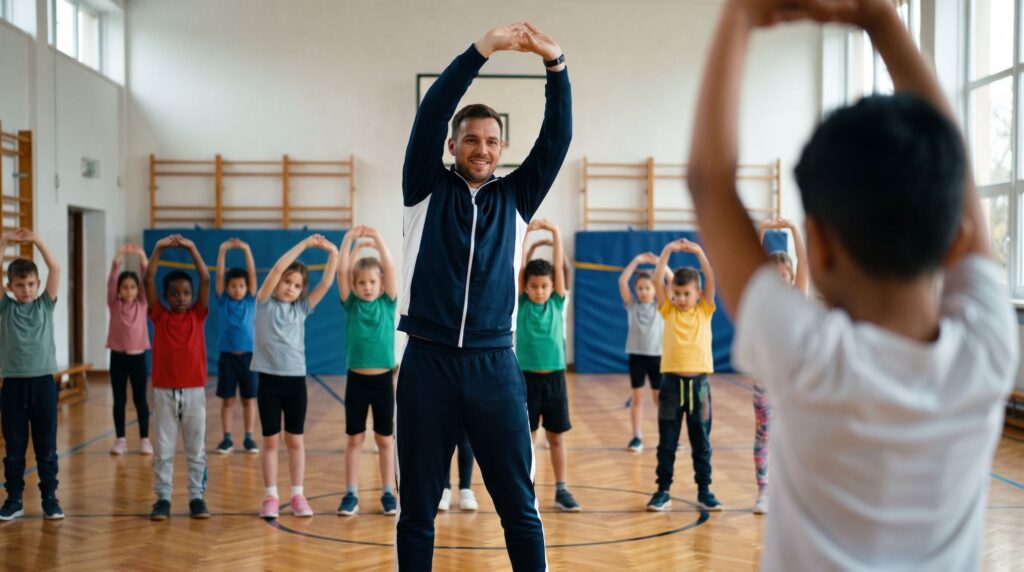
Movement concepts are the foundation of physical literacy. These strategies make them accessible and engaging.

Spatial awareness is essential for safe, confident movement. This guide helps teachers build it intentionally.
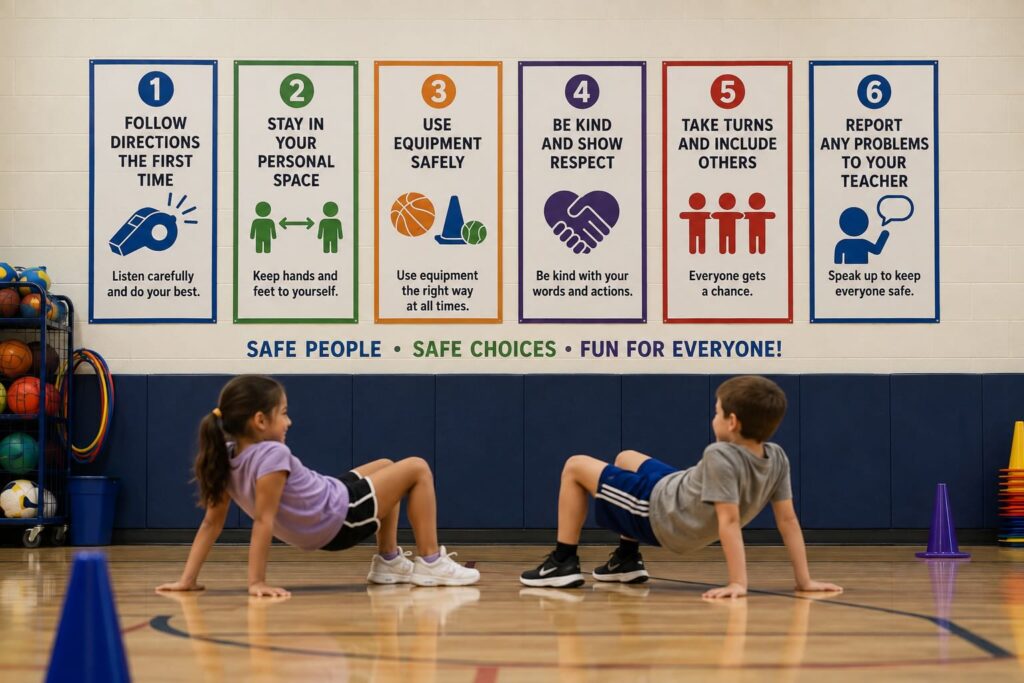
Visuals strengthen instruction. These posters reinforce movement concepts, expectations, and routines.
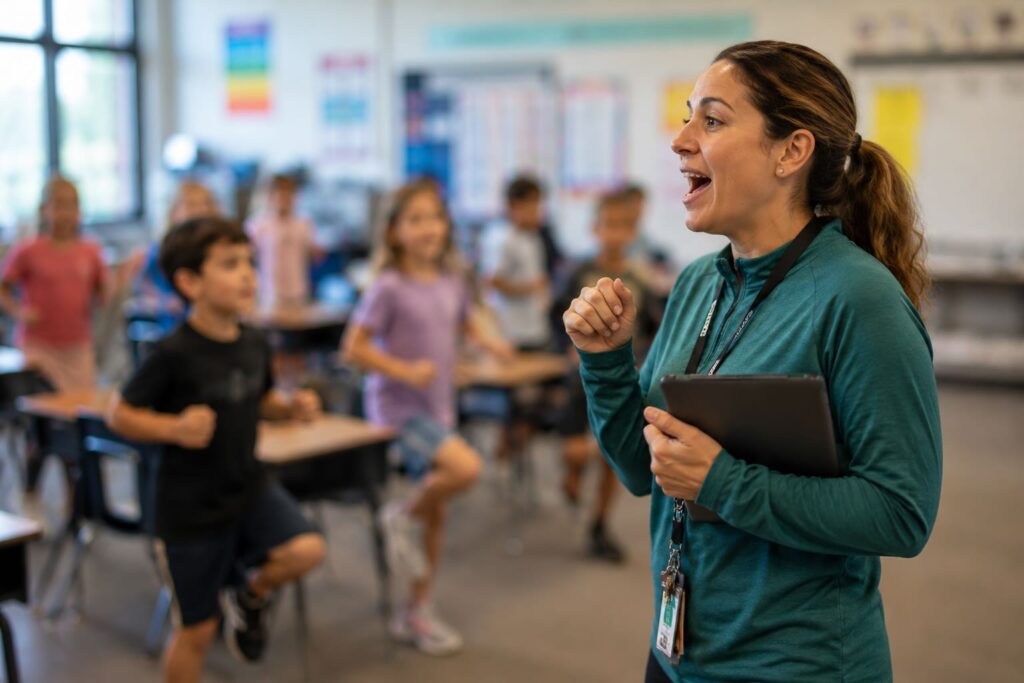
Movement breaks support regulation, focus, and learning. These classroom‑ready prompts make it easy.
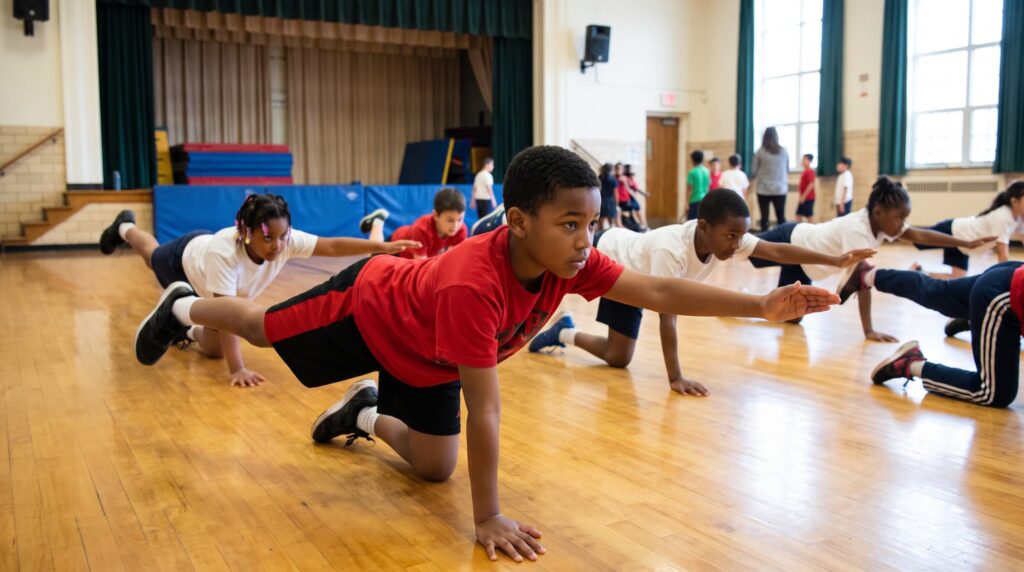
Stations are one of the most flexible instructional structures in PE. These approaches work anywhere — no equipment required.
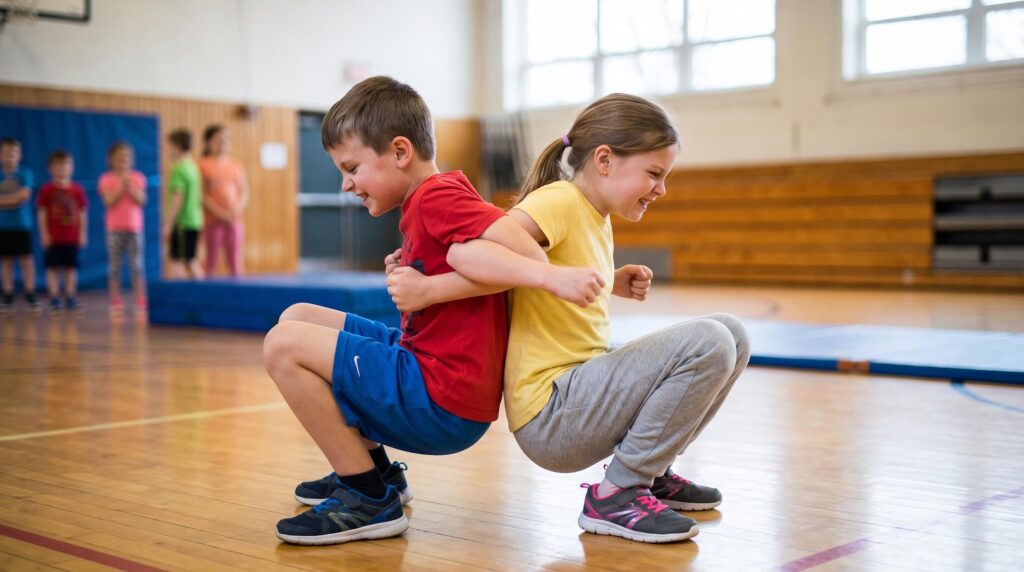
Body awareness is foundational to physical literacy. These practices help students connect movement to sensation.