Pocket PE Builds Your K–5 PE Lesson Schedules for You — The Back‑to‑School Advantage Every District Needs
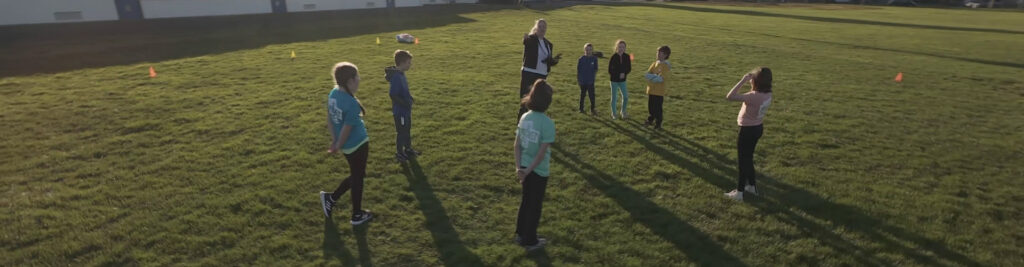
A strong pacing guide ensures equity, consistency, and standards alignment across a PE program. This framework makes it achievable.

A strong pacing guide ensures equity, consistency, and standards alignment across a PE program. This framework makes it achievable.
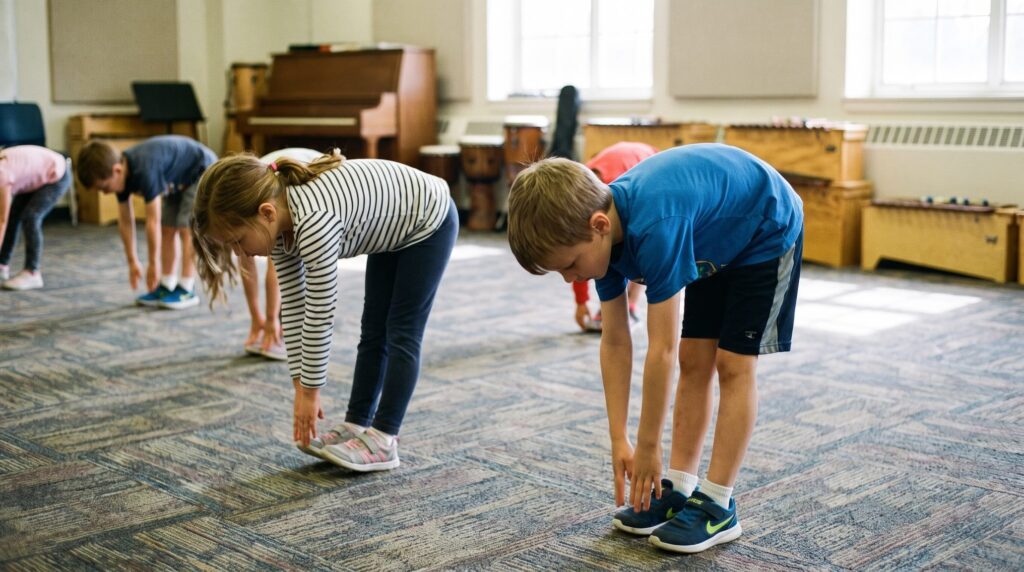
Small‑space PE requires thoughtful planning. These safety‑first strategies help teachers deliver high‑quality instruction anywhere.
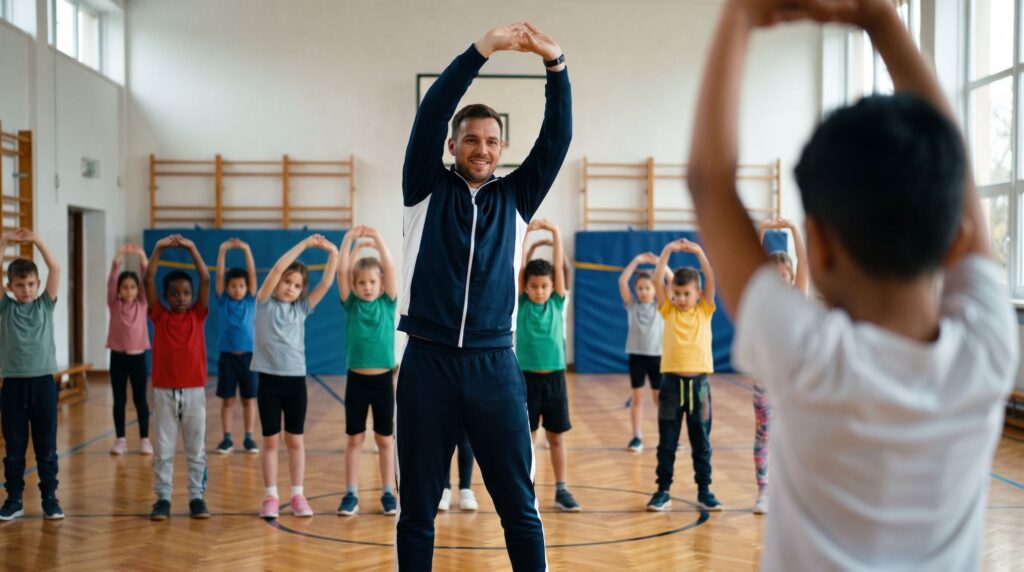
Behavior improves when expectations are clear and movement is structured. These proactive strategies make a measurable difference.

Calm, consistent communication transforms PE. These strategies help teachers lead confidently without raising their voice.

Effective attention signals don’t rely on volume — they rely on structure. These movement‑based cues work in any space.

Large classes require intentional systems. These strategies help educators maintain safety, engagement, and instructional quality.

Strong routines are the backbone of effective PE instruction. These strategies help create calm, safe, predictable learning environments.

Skill development doesn’t require gear. These progressions help students master foundational movements using only their bodies.

Partner work builds cooperation, communication, and focus. These no‑equipment activities make it easy to implement.

Stations are powerful — even without equipment. These rotations keep students moving, engaged, and learning in any setting.